





As a responsible pet owner, you must do your best to love and care for your animals. Taking them to the vet for annual check ups and preventative services is a must! Learn about ten diseases your pet may develop over their lifetime and how you can prevent them, as well as prevent yourself from contracting them as well!

CAT-SCRATCH DISEASE
What is Cat Scratch Disease (CSD)?
First discovered in 1889 by Henri Parinaud, this usually benign disease is caused by the bacteriumBartonella henselae. It is also known as "Cat Scratch Fever".

In 1950, Dr. Robert Debré discovered cats to be the natural reservoir for the bacterium, hence the name "Cat Scratch Disease". CSD is commonly found in children 1-2 weeks following a cat scratch or bite; the bacteria is more likely to be found in the blood stream of kittens rather then adult cats. About 40% of cats carry Bartonella henselae at some time in their lives but you cannot tell a cat as a carrier from an uninfected cat.
Symptoms of CSD include swollen Lymph nodes (especially those around the head, neck, and upper limbs.) A human with CSD may experience fever, headache, fatigue, and a loss of appetite.
To avoid any possible CSD infections, don't "play rough" with kittens and cats, as they are more like to scratch or bite. If you do receive a a scratch or a bite, immediately wash them thoroughly with running water and soap. Do not allow kitty to to lick any open wound you may have.
HOOKWORMS
What are Hookworms?
A hookworm is a parasite that has "hooks" inside its mouth for attaching to its host. Puppies and kittens are more likely to be infected with hookworms then adult pets, which makes it especially important for you, as a responsible pet owner, to take your new pet to a veterinarian and have Kitty or Fido "dewormed", a process using antibiotics that kills the parasites.
People can become infected with hookworms through contact with animal feces. You may say how is that possible? An example is a small child playing in the dirt where a pet has gone to the bathroom. Hookworm eggs and/or larvae might be left behind as a result and a small child might accidentally come in contact with them.
Infection by hookworms can appear in several ways for a human. If you are infected by the hookworm larvae, it can travel through the body in what is known as "larva migrans". Hookworm larvae can also cause a painful and itchy skin infection as the larvae moves through your skin. How unpleasant!
If you should accidentally ingest animal hookworm eggs, the larvae that hatch out of the eggs can reach the intestine and cause bleeding, (swelling), and abdominal pain.
This is why it is so important to have your pets dewormed!
What is Leptospirosis?
 Leptospirosis is a disease is caused by spiral-shaped bacteria called leptospires. Leptospirosis is not uncommon in the United States but infections can happen. Dogs are more likely to become infected; while there have been cases of cats becoming infected, it is rare.
The disease is transmitted via urine and other body fluids, but not in saliva. Humans and animals can become infected through contact with contaminated urine (or other body fluids), water, or soil.
Infection in humans resembles a mild flu and rarely has serious complications. Pets can received a vaccination against Leptospirosis but because there are so many types of leptospires it is not 100% effective.
Rodents such as mice and rats also carry Leptospirosis so make sure you keep any pest problems under control to minimize risk of infection to your pets. Also keep your pets away from wildlife critters, as they may be infected.
PSITTACOSIS
What is Psittacosis?
Psittacosis (pronounced "sit-ta-co-sis") is caused byChlamydia psittaci, a type of bacteria. All birds are susceptible to Psittacosis; pet birds such as parrots, parakeets, macaws, and cockatiels and poultry (turkeys and ducks) are most frequently involved in transmitting the disease to humans.
It's is difficult to tell whether a pet bird is infected. A bird sick with Psittacosis can show one or several of the following symptoms; eye discharge or swelling, labored breathing, shivering, weight loss, lethargy, "fluffed up" appearance, diarrhea, or weakness.
The disease can be transmitted via droppings from an infected bird that become aerosolized (dispersed in the air as very fine droplets or dust particles.) Inhaling these aerosolized particles causes the infection.
It is important to not overcrowd birds into a cage and to arrange cages so materials such as urine, feces, food and feathers can not spread between them. Feeding your bird properly and making sure its cage is clean is very important!
LYME DISEASE
What is Lyme Disease?
Lyme disease is a bacterial disease caused byBorrelia burgdorferi. This bacteria is spread via ticks. When an infected tick hitches a ride on a dog or horse, then jumps to a human and bites them, the human can become infected with Lyme Disease.
Within 1 to 2 weeks of being infected, people may develop a rash that looks like a bull's eye and run a fever. They may also have headaches and muscle or joint pain. Other people have a fever and other flu-like symptoms without a rash. Some people who are infected do not show any early symptoms of the disease.
After several days or weeks, the bacteria may spread throughout the body of an infected person. These people can get symptoms such as rashes in other parts of the body, pain that seems to move from joint to joint, and signs of inflammation of the heart or nerves. If the disease is not treated, a few patients can get additional symptoms, such as swelling and pain in major joints or mental changes, months after getting infected.
To protect yourself from risk of exposure to Lyme disease, you should avoid areas that are likely to be infested with ticks, particularly during the spring and summer, whenever possible. If you are going into an area where ticks are, wear light colored clothes so you can easily spot and remove a tick before it becomes attached.
Since ticks are close to the ground, tuck your pants into your socks and wear high rubber boots to minimize exposure. It is also a good idea to wear long sleeved shirts.
If the weather is hot, applying insect repellent containing DEET and Permethrin should help reduce risk of tick attachment. Follow the directions and apply accordingly.
If you have been in an area where ticks are, check for and remove them promptly. Transmission of Borrelia burgdorferi is unlikely to occur before 36 hours after the tick attaches itself, so do not waste time checking for ticks. Any embedded ticks should be removed by using fine-tipped tweezers and the area cleansed with an antiseptic.
Reduce the number of ticks around your home and yard by removing leaf litter and bush/wood piles around your home and yard. This is a good idea to keep ticks from getting on your pets!
SALMONELLOSIS
What is Salmonellosis?
Salmonellosis (pronounced sal-mohn-el-OH-sis) is a disease caused by the bacterium Salmonella. Many kinds of animals can pass salmonellosis to people. Usually, people get salmonellosis by eating contaminated food, such as chicken or eggs. Pet Dogs, cats, birds, horses, and farm animals can pass Salmonella in their feces. When people come into contact with the contaminated feces and do not properly wash their hands, they run the risk of becoming ill.
Lizards, snakes, and turtles, baby chicks, and ducklings are especially likely to pass salmonellosis to people. This is why it is so important to make sure young children wash and disinfect their hands after petting animals at a petting zoo!
Many different kinds of Salmonella can make people sick. Most people have diarrhea, fever, and stomach pain that start 1 to 3 days after they get infected. These symptoms usually go away after 1 week. Sometimes, people have to see a doctor or go to the hospital because the diarrhea is severe or the infection has affected other organs.
Protecting yourself from the risk of Salmonella includes washing your hands with soap and running water if you've come in contact with animal feces. It is also important to wash and disinfect your hands after touching reptiles or any objects and surfaces that a reptile has also touched. Be extra cautious when visiting farms, petting farm animals, or visiting a petting zoo.
TOXOCARIASIS
What is Toxocariasis?
Toxocariasis (TOX-o-kah-RYE-us-sis) is a zoonotic (zoonotic means "animal to human") infection caused by the parasitic roundworms commonly found in the intestine of dogs and cats. Puppies usually contract from the mother before birth or from her milk. The larvae mature rapidly in the puppy's intestines; when the pup is 3 or 4 weeks old, they begin to produce large numbers of eggs that contaminate the environment through the animal's feces. The eggs soon develop into infective larvae.
Infection is possible through contact with infected feces. This can happen if you have to clean up puppy's mess or children playing in/eating contaminated dirt where puppy has gone to the bathroom.
To prevent the spread of Toxocariasis, please have your pets, especially when they are young, treated regularly to prevent roundworms. This a process called "deworming" and is done via medications you give to your pet.
Wash your hands thoroughly with soap and water after playing with your pets and outdoor activities. Teach children to always wash their hands after playing with dogs and cats and after playing outdoors. Also teach children that it is dangerous to eat dirt or soil and they should not touch their hands to their mouths if they are dirty.
Do not allow children to play in areas that are soiled with pet or other animal feces. Clean your pet's living area at least once a week. Feces should be either buried or bagged and disposed of in the trash.
LYMPHOCYTIC CHORIOMENINGITIS
What is Lymphocytic Choriomeningitis Virus (LCMV)?
Lymphocytic Choriomeningitis Virus (LCMV) is carried by rodents. This includes hamsters, pet mice, guinea pigs as well as wild rodents such as field mice, rats and other pests. Pet rodents can become infected with LCMV after being in contact with wild rodents at a breeding facility, pet store, or home. If you intend to keep these animals as pets, be sure to get them from reputable stores or breeders!
Humans can develop LCMV infections from exposure to rodent urine, droppings, saliva, or nesting material of infected rodents. Exposure to the virus can also occur when these materials are directly introduced into broken skin or into the nose, eyes, or mouth or by a bite from an infected animal. The risk of infection from a pet is very rare!
To reduce the risk of exposure, and to practice general safety, remember to wash your hands with soap and water after handling pet rodents. Keep their cages clean and free of soiled bedding. When you clean their cage, do it in a well-ventilated area or outside. And although they are cute and fluffy, do not kiss pet rodents or hold them close to your face!
TOXOPLASMOSIS
What is Toxoplasmosis?
Toxoplasmosis (pronounced "TOX-so-plaz-MO-sis") is a disease caused by a parasite calledToxoplasma gondii. Toxoplasmosis is passed to people from contaminated cat feces. This can happen when you clean kitty's litter box or touching dirt where cats might have been, like soil in the garden or planting area of your yard.
Toxoplasmosis can also be passed to humans when they eat meat that is not cooked completely, especially pork, lamb, or deer meat.
Most people who get Toxoplasmosis do not get sick, but some people will get swollen glands, muscle aches and feel as though they have the flu. Women who are pregnant or are thinking about becoming pregnant should be especially careful about Toxoplasmosis! This disease can infect the fetus and cause birth defects or abortion. Infants, children younger than 5 years old, organ transplant patients, people with HIV/AIDS and people getting treatment for cancer are more susceptible to Toxoplasmosis infections.
To reduce your risk of Toxoplasmosis, make sure to wash your hands thoroughly with running water and soap after contact with cat feces (especially after you clean the litter box) and after gardening.
If you are pregnant or trying to get pregnant or have a weakened immune system, do not clean a cat's litter box! Ask your partner or a relative to do it for you. It is also wise to keep your cat indoors. Make sure that kitty's litter box is cleaned daily and do not feed undercooked meat to your cat.
BRUCELLOSIS
What is Brucellosis?
There are many types of Brucellosis in animals, strains of which mostly affect domesticated livestock and wild bison and elk. The type that affects dogs is called Brucella canis.
Brucella canis is rarely transmitted to humans, because pet owners rarely come in contact with their dog's blood or reproductive fluids. But if it is passed to humans it can cause a fever that may progress the endocarditis (a very serious infection of the heart.)
Source: squidoo.com







This song is the official song of Earth Day 2012 Events. The song is the message from our Planet: SAVE THE PLANET. Please send it. Time’s up! We have to action for us!


Clip: The Visitor plays guitar. This is the short film was made by a Vietnamese. This clip had been making Asia and Europe people interested in.


An European guy visiting his girlfriend's grandma while she's in hospital, bringing to her a very unexpected present. A short film about cross cultural experience in the field of language, family relationships and love. The filmmakers are a group of non-cinema students from Hanoi, Vietnam.
Cast
Hendrik Bruwer
Lai Thi Tuyet Nhung
Van Thanh
Director/Producer
Nguyen Le Hoang Viet
D.O.P
Nguyen Trung Kien
Editor
N.L.H.V -- Nguyen Trung Kien
Assistant Director
Phan Huyen My
Production Design
Nguyen Diep Thuy Anh
Costumes
Zic Evolution
Assistant Producer
Thu Minh
A film by We Are Filmmakers, Hanoi, Vietnam
The film uses a cover version of the song Chau Yeu Ba, composed by Xuan Giao
Karen Curtis wouldn’t dream of kicking her cats out of her bed, or the beds of her two teenage kids. After all, the felines, named Bob and Blixa, are part of the family, and Curtis thinks it’s “very sweet” the cats make the rounds of the bedrooms, choosing to spend a few hours every night sleeping with their human companions.
“We love sleeping with our pets,” says Curtis, 45, a registered nurse who lives in Cleveland. “We’re healthy and the cats are healthy, so I don’t see a problem.”
Some veterinary scientists don’t agree.
Sleeping with and “kissing” your animals on their little pet lips puts you at risk for some serious medical problems — even when those pusses and pooches are seemingly healthy, according to “Zoonoses in the Bedroom,” a study published in the February issue of the CDC journal Emerging Infectious Diseases.
“The risk of contracting something is rare, but if you’re that person who gets a disease from a pet, rare doesn’t matter that much,” says the paper’s co-author Bruno Chomel, a professor at the University of California-Davis school of veterinary medicine and an expert in zoonoses, the transmission of disease from animal to human. “I know this will make me unpopular, but pets really don’t belong in your bed.”
Chomel and co-author Ben Sun, chief veterinarian with the California Department of Public Health, combed through medical journals to find examples of pets making people ill after sharing a bed. Among them: a 9-year-old Arizona boy developed plague after sleeping with his flea-infested cat. (Fleas are notorious plague carriers, especially in western states.) And then there’s the 60-year-old British woman who contracted meningitis after repeatedly kissing the family dog. Add in some cases of nasty parasitic and drug-resistant staph infections and it’s enough to make one purchase a futon for Fluffy and Fido.At greatest risk are the young, elderly, and those whose immune systems are compromised, such as transplant patients, diabetics and people who are HIV-positive.
Picking up a disease from the family pet is indeed rare, as the paper shows. But there are issues that you should know. Approximately 60 percent of all human pathogens could have been transmitted by an animal, according to the U.S. Centers for Disease Control and Prevention. And more than 100 of the 250 zoonotic diseases identified come from domesticated pets, says Chomel.
For example, one CDC study shows that about 14 percent of the U.S. population is infected with roundworms, leading to a zoonotic infection called toxocariasis. The mode of transmission occurs when humans come into contact with sand or soil that is contaminated with infected roundworm eggs and larvae found in dog or cat waste. Human roundworm infections, though rare, can cause blindness, among other problems.
Healthy pets carry little risk
But everyone needs to make like a cat and relax. That’s because the important message is pretty simple: Healthy pets carry little risk of disease.
The American Veterinary Medical Association doesn’t have a formal recommendation about pets sleeping with their humans. But “a little common sense will go a long way,” in reducing risk, says AVMA president Larry Kornegay, who affirms that zoonotic diseases are “uncommon, if not rare.”
“I’ve been in practice for 40 years and I see the bond between people and their pets and the positive effects pets can have on humans, which I believe outweighs any risk, whether you sleep with a pet or not,” says Kornegay, who admits his own teenage daughter sleeps with the family’s miniature Schnauzer.
Common-sense approaches include regular wellness exams for pets, parasite control, vaccinations appropriate for your geographical area, and dental care. “If people would remember to wash their hands, that would help, too,” Kornegay says.

So, obviously scrub up with soap and running water if you’ve handled feces, and do it again if you’ve handled your pet and plan on preparing food. Wash bites and scratches immediately and cover sandboxes when not in use. Try and keep your animals from drinking from toilet bowls or eating feces. And be good to your pets, by keeping outdoor areas feces-free and kitty’s litter box clean.
What’s clear is that it’s unlikely that people are going to kick their pets out of their bed. “I’m not going to put on a biohazard suit every night,” says Joseph Doles, a Cleveland veterinarian, who has six cats, some of which snooze with him and his wife.
Doles has seen "a few cases" of zoonoses during his three decades of practice and agrees that common sense and veterinary care will “further reduce an already rare risk.”
“If you have a healthy pet, you probably have a healthy family,” he says.
By Joan Raymond© 2012 msnbc.com.
Some birds see travel as a great adventure, while others prefer to stay at home in familiar surroundings. Sometimes, though, your bird’s preference may not matter because you have to travel by air or take him to the veterinarian. Because he probably can’t tell you whether he enjoys traveling, you will have to do some detective work.

But how do you do this? Simple—take your bird for a short ride in the car and judge his reaction to the experience. Does he display happy body language, such as hanging on the cage bars watching the world whiz by the car window, or does he cower on the cage floor and scream? Paying attention to these kinds of signs will tell you whether your bird will enjoy an occasional trip in the car or will be able to travel for emergency purposes only.
Air Travel
For air travel, tell the reservation agent that you want to bring your bird along, and find out what requirements must be met for a bird to fly by plane.
You will most likely have to place your bird in a carrier. The carrier must open easily, be large enough for him to stand normally, be durable enough to protect him during the trip, and be free of items that could injure him during travel. The carrier should also be well ventilated and have a grille or subfloor that catches all droppings.
The carrier should also be clearly marked with your name, contact information, and destination address. It should also say “LIVE ANIMAL” and have directional arrows indicating the upright position of the carrier marked on its sides.
Give your bird time to get used to a carrier before a trip. Let him climb into it and spend time in it. Once you feel that he is comfortable with it, you can make your travel arrangements.
Car Travel
If you have a bird who loves the car, you will need to obtain a travel cage. This cage is smaller than your bird’s main cage but still large enough to allow roaming and spreading of the wings. It should have food and water bowls and toys. It must also be well ventilated and have a portion on the bottom that collects his wastes. Secure the cage when it is in the car using safety straps or a seat belt.
Your pet must be comfortable and familiar with his travel cage. Try to give it the same layout as his regular cage. Bring the travel cage into your home, and let your bird spend some time in it to become familiar with it.
If you plan to take your bird on a long-distance trip in the car, make reservations at a pet-friendly hotel along your route. Conduct research for such destinations, as not every establishment welcomes animals. Request a nonsmoking room for you and your bird, and clean up any messes completely before you check out.
Traveling to the Veterinarian
Depending on the situation, you can use either your bird’s travel cage or his carrier to take him to the vet. If you are bringing him in for an annual checkup and he enjoys car travel, take him to the vet in his travel cage. If he doesn’t like the car, place him in a carrier.
If your bird is injured and you are taking him to your vet or to an emergency veterinary hospital, it might be best to employ the help of an of-age family member to drive while you hold your bird wrapped gently but firmly in a towel to minimize movement.
By Craig Sernotti
Source: petuniversity.com
So you’re allergic to cats and you don’t want to be constantly covered in dog hair, but you really want to share your life with an animal. What do you do? The answer is simple: Go small!
Many small animals don’t take up a lot of room, are inexpensive and easy to care for, will entertain you with their lively antics, and will even seek your attention and affection. But just like with any pet, you must make an educated decision on which small animal you will eventually bring home. By researching the small animal that’s right for you, you will be able to choose the best one for you and your family.
How big are small animals? How do you handle them? What is required for their care? What animals are available? Answering all these questions will help you narrow down your choices and assist you in making the right decision.
Commitment to Caring
 Before all else, you must first commit to providing the best home possible for your small animal. This means buying the optimal cage or enclosure for him. Also, you must clean the cage regularly—they don’t eliminate outside of the house like a dog but instead excrete their waste and live with it in the cage. They can’t clean up after themselves, so you must do it for them, and often.
You must also provide the right diet for your small animal. For example, sugar gliders can be given an occasional insect because they are omnivores by nature. Guinea pigs love fresh fruits and vegetables, but there are some that should be avoided because they are harmful to the animal.
Overall, you need to keep your small animal healthy and happy. Besides seeking veterinary help when necessary, you must know if he is best kept with others of his own kind. Rabbits will develop unwanted behaviors by themselves and become lazy and listless because they are bored—so they do better in pairs. Conduct as much research as possible before you buy your small animal to learn how best to keep him.
Size
Not all small animals are very small. While gerbils are small enough to fit in your hand, rabbits can grow relatively large. Guinea pigs are in between the two, size wise. Decide which size will work for you. Do you want a tiny creature who can be kept in a small cage, or do you prefer one who’s bigger?
Handling and Interaction
 Small animals are obviously more diminutive than dogs and cats and therefore more fragile. This means that you must be gentle when handling your pet. If you handle your animal regularly while he is young, he will be less skittish about being held when he’s older. You can wrap your guinea pig up in a towel—they will curl up and squeak contently. A ferret who has happily adjusted to a home will love to be cuddled and petted. Rabbits will play with you while roaming around outside their cages.
All interactions between small animals and young children should be monitored by an adult.
What Is Available?
You will find a variety of small animals available for purchase. Pet stores are sure to carry the more common species—hamsters, gerbils, guinea pigs, mice, rats, ferrets, and rabbits. If you want a more exotic small animal, like a chinchilla, sugar glider, or hedgehog, you will have to contact a breeder to obtain one. If your pet store cannot recommend one to you, search the Internet for a local breeder or supplier.
Source: petuniversity.com
They are so funny! How cute they are! Do you agree with me about that?


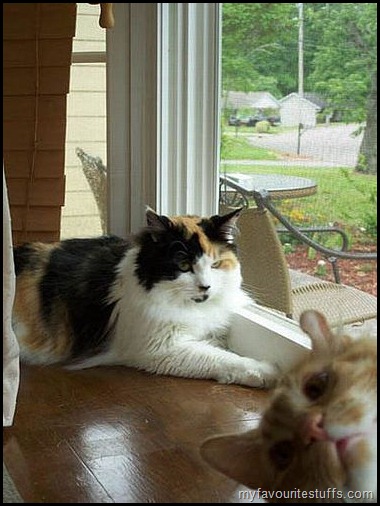


YouPetsPlanet.Blogspot.Com
Source: myfavouritestuffs.com



